
Saudi Arabia’s hotel sector has remained resilient despite broader international travel disruptions, supported by religious tourism, sustained domestic travel and revenue and cost optimisation, according to JLL’s KSA Hotels Market Dynamics Q2 2026 report.
The strongest
performance was recorded in the Holy Cities, where Hajj and Umrah demand
continued to support occupancy.
Makkah’s occupancy
rose 4.0 percentage points year on year to 68.2%, while RevPAR increased 8.7%.
Madinah recorded the
Kingdom’s highest occupancy at 75.1%, with RevPAR declining 2.4% despite softer
average daily rates.
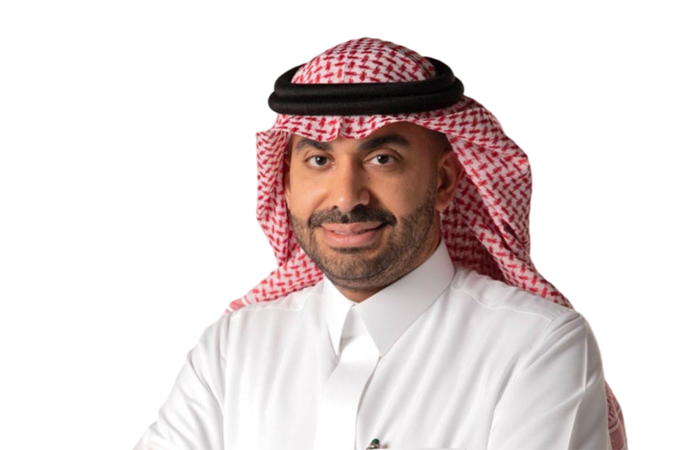
Saud Al Sulaimani,
Country CEO and Head of Capital Markets – KSA at JLL, said: “Saudi Arabia’s
hospitality market continues to demonstrate long-term structural resilience as
domestic leisure travelers and religious pilgrims provide stable occupancy
foundations. As the Kingdom advances its Vision 2030 objectives, strategic
investments in infrastructure and asset diversification are transforming the
sector. These measures will elevate the Kingdom into a premier, multi-faceted
destination, poised to attract a highly diverse, international audience far
beyond its traditional pilgrimage markets.”
Commercial markets
faced greater pressure. Riyadh recorded the steepest decline, with occupancy
falling 9.2 percentage points to 47.6% and RevPAR dropping 23.2%, amid weaker
corporate demand and increased competition. J
eddah was more
resilient, with occupancy down 0.9 percentage points to 66.4%, while RevPAR
fell 7.2% due to lower ADR.
Hotel supply continued
to expand, particularly in the Holy Cities. Makkah added around 1,100 rooms in
Q2, while Madinah added approximately 220, bringing combined hotel stock in the
two cities to 354,800 rooms. Riyadh added around 490 rooms and Jeddah approximately
180.
JLL said rising supply
will increase competition and place greater emphasis on asset quality,
differentiated guest experiences, brand positioning, revenue optimisation, cost
efficiency and technology-enabled operations.
Although overall
tourism declined by around 5-7% during the first five months of 2026, the
long-term outlook remains positive, supported by Vision 2030, infrastructure
investment, improved connectivity, entertainment expansion and continued
tourism development. -TradeArabia News Service