
The Oaks Ibn Battuta Gate Hotel Dubai has unveiled two sustainability initiatives that are helping to reduce the hotel’s carbon footprint, by minimising food waste, saving water and improving operational efficiency.
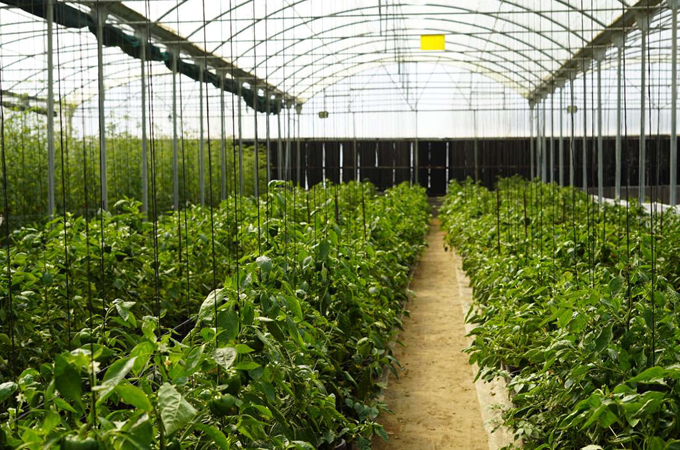
Located adjacent to the Ibn Battuta Mall, the 411 room five-star property which is owned by Seven Tides International and operated by Minor Hotels, now sources its own produce locally at the Khawaneej Farm in Dubai.
The initiative enhances the quality, freshness, and sustainability of the hotel’s food offering through a direct farm-to-table approach.
“Our organic produce includes cucumbers, tomatoes, cherry tomatoes, radish, green bell peppers, yellow peppers, red bell peppers, coriander, parsley, dill, spring onions, and lettuce. All of our vegetables are cultivated using sustainable farming practices to ensure high quality, freshness, and environmental responsibility,” said Gari Abdelmjid, Executive Chef at Oaks Ibn Battuta Gate Hotel Dubai.
Production volumes are carefully aligned with hotel occupancy levels and seasonal needs while reducing reliance on external supply chains.
The initiative also supports the hotel’s commitment to environmental responsibility by minimising food miles, reducing waste, and promoting sustainable farming practices.
“Through demand-based harvesting, we can significantly reduce the carbon emissions associated with transportation, packaging, and external supply chains. Using locally grown produce can reduce carbon emissions by an estimated 30–70% compared to conventionally sourced produce that requires import, refrigerated storage and distribution,” added Abdelmjid.
The hotel also benefits from cost-efficiencies too, the initial setup and operational expenses, are balanced over time by consistent supply, reduced purchasing fluctuations, and improved produce utilisation.
Overall, the farm supports a more efficient and sustainable procurement model, aligning cost management with environmental responsibility.
Another initiative that the management team at Oaks has embarked upon is its water re-bottling operation, which is carried out on-site at the hotel.
A dedicated area was created to produce both still and sparkling water.
The in-house approach allows for full quality control, reduces reliance on external suppliers, and supports sustainability efforts by once again minimising transportation and packaging waste.
Bottle production is also directly aligned with hotel occupancy levels to ensure efficient and demand-based supply.
On average, production ranges from approximately 500 bottles per day during low occupancy periods and to up to 1,500 bottles per day during peak demand.
“This initiative was launched to provide a high-quality, sustainable, and self-sufficient water supply for in-house guests. By establishing an on-site water plant, the hotel ensures greater control over quality standards, consistency, and operational efficiency,” said Abdelmjid.
“The on-site water bottling initiative contributes to a significant reduction in carbon emissions by eliminating the need for external transportation, large-scale bottling logistics, and single-use packaging,” he added.
While exact carbon savings depend on occupancy and production levels, in-house bottling systems typically reduce emissions by an estimated 40–80% compared to externally sourced bottled water.
By producing water in-house, the hotel also reduces external supply chain costs, with the primary ongoing expense being reusable glass bottles.
In addition, with the initiative operating on a zero single-use plastic model, further reductions in environmental impact can be achieved and support the hotel’s overall commitment to sustainability and responsible resource management. -TradeArabia News Service