
Global travel and hospitality sectors are moving away from passive recovery frameworks and transitioning toward intentional, structural resilience
The global travel and hospitality sectors are firmly rejecting worst-case forecasts, aligning instead behind an evidence-based narrative of operational endurance and future growth. Rather than adopting a reactive stance to ongoing geopolitical and economic friction, international organisations are actively building structural safeguards.
This includes macro-level policymaking to accelerate recovery speeds, mid-market contract innovations to shore up immediate buyer confidence, flexible multi-typology real estate models to stabilise cash flows, and predictive artificial intelligence to master real-time market volatility. Together, these cross-industry strategies are transforming unexpected disruptions into clear runways for systemic transformation.
Launching its latest global report, Accelerating Travel & Tourism Recovery - Global Evidence from Four Decades of Crises, WTTC delivered an evidence-based reminder that the travel sector invariably rebounds from all kinds of crises.
WTTC’s research confirms that international travel routinely outclimbs major shocks, recovering from the 2008 financial crisis within two years and bouncing back from the COVID-19 pandemic to hit a record $2.02 trillion in international visitor spending by 2025.
Resilience is built into our DNA. The question is not whether the sector will recover, but how quickly we choose to enable that recovery
- Gloria Guevara
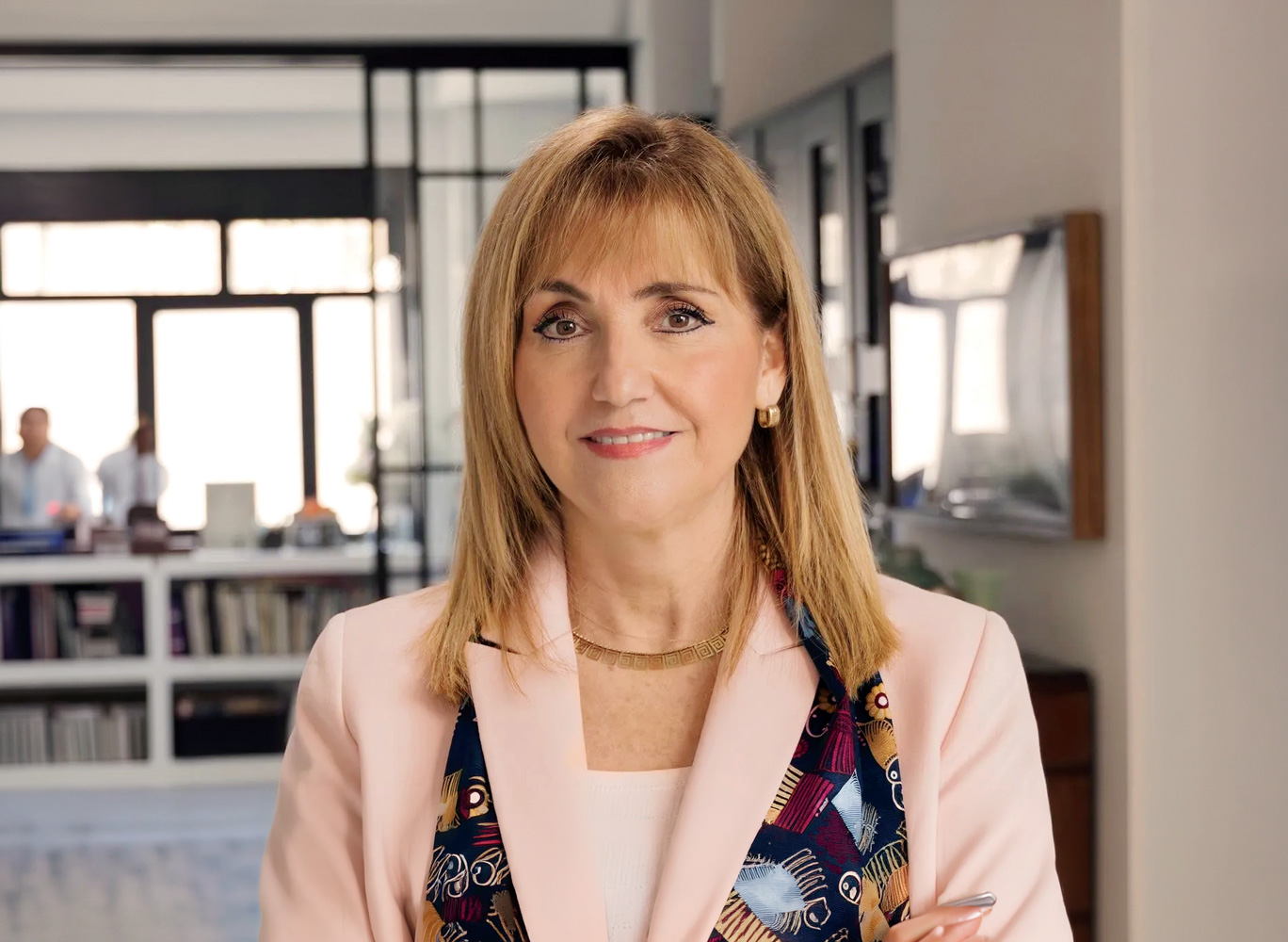
Gloria Guevara, President & CEO of WTTC, emphasised that destinations frequently emerge from disruptions stronger than before: "Today, we are sending a clear and evidence-based message to the world: travel and tourism always recovers. Resilience is built into our DNA. Even after the most severe crises, people continue to travel and destinations come back stronger, with faster action leading to faster recovery. The question is not whether the sector will recover, but how quickly we choose to enable that recovery."
To accelerate this momentum, the WTTC urges countercyclical investment, strict protection for small and medium enterprises (SMEs) as the sector's backbone, and the preservation of international air connectivity as a vital strategic asset.
The operational resilience of these macro principles is currently being tested. An assessment by the Airports Council International Asia-Pacific & Middle East (ACI APAC & MID) revealed that while Gulf airspace restrictions removed nearly one-fifth of East-West connecting capacity, Middle East transport networks absorbed the shock, with capacity recovering from a low of 32 per cent on day one up to 63 per cent by late April 2026. Furthermore, overall passenger traffic across the broader Asia-Pacific region maintained a resilient, upward trend.
Stefano Baronci, Director General of ACI Asia-Pacific & Middle East, cautioned that public policy must actively support this operational endurance rather than dampening demand with regulatory burdens: “Against a backdrop of renewed upward pressure on jet fuel prices, longer routings driven by geopolitical tensions, persistent supply bottlenecks, and chronically elevated inflation, public policy should not add yet another layer of cost to air travel. Further increases in government-imposed taxes, such as the latest taxation applied to passengers departing Australia, directly undermine connectivity, tourism, trade and consumer welfare."
This air-side volatility is naturally creating ripples across international business exchanges. The Meetings Industry Association (MIA) found that 73 per cent of UK event professionals are navigating international booking delays, slower contract activity, and requests to temporarily hold space. Rather than adopting a passive approach, the MIA has partnered with law firm CMS and insurance experts InEvexco to engineer practical contractual and insurance frameworks to rebuild planner confidence.
Shonali Devereaux, CEO of the MIA, reinforced that operational clarity is the ultimate antidote to market hesitation: “The current political climate is difficult to predict, which means clear, practical guidance is even more important to help organisations make informed decisions and maintain confidence during times of uncertainty.”
The hospitality industry is no longer being tested by isolated disruptions, it is operating in a state of continuous change
- Vincent Miccolis
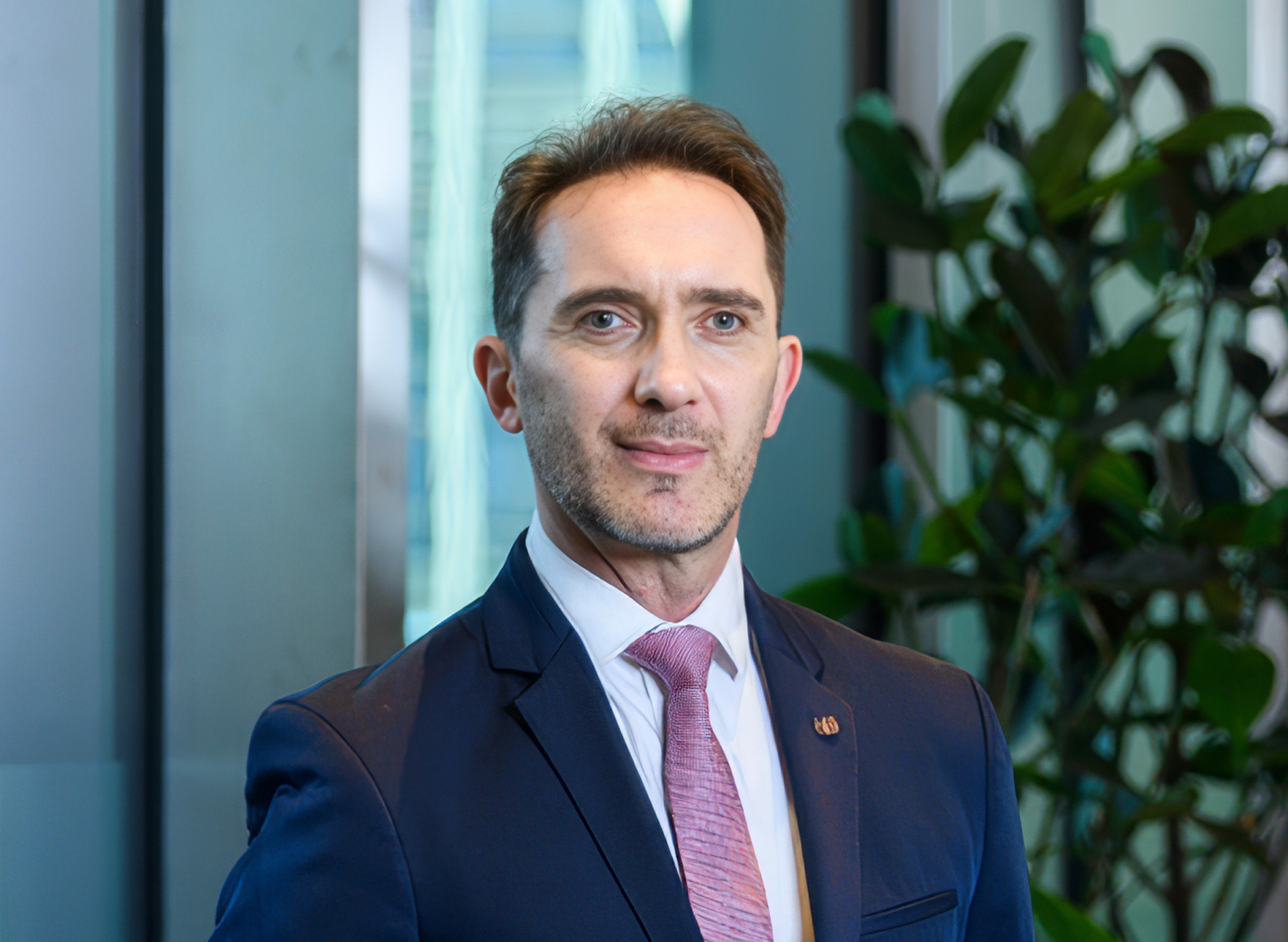
For hotel investors and asset owners, navigating these broader operational shifts requires a fundamental rewrite of the traditional hospitality playbook. Vincent Miccolis, Managing Director for the Middle East, Africa, and Türkiye at The Ascott Limited, notes in an exclusive column penned for TTN Middle East that the industry must transition from chasing short-term demand peaks to engineering consistent, downside-protected cash flows. While prime markets like Dubai maintain excellent baseline fundamentals - surpassing 85 per cent occupancy in early 2026 - flexible, multi-typology operating models are proving vital during intermediate lulls.
"The hospitality industry is no longer being tested by isolated disruptions, it is operating in a state of continuous change. Across our portfolio, assets supported by a balanced mix of short- and extended-stay demand have demonstrated greater stability, maintaining occupancy levels of approximately 67–70 per cent despite recent regional uncertainty.
“Success will depend not only on growth potential, but on selecting hospitality models that combine resilience, flexibility and the right product-market fit to sustain performance and protect long-term asset value," Miccolis says.
This structural diversification aligns directly with modern travel habits, as corporate, relocation, and project-based travellers blend business and leisure into longer, more dynamic lengths of stay.
True competitive advantage lies not only in reacting with agility, but in anticipating market movements before they materialise
- Anurag Jain
As travel patterns become less linear, artificial intelligence is stepping into hotel management suites as a core competitive differentiator. Forward-looking data from AI-powered SaaS leader RateGain indicates that following a sharp contraction between March and May, hotel demand in Dubai is entering a distinct stabilisation phase, projected to recover to 20 per cent to 30 per cent of pre-disruption demand heading into the summer.
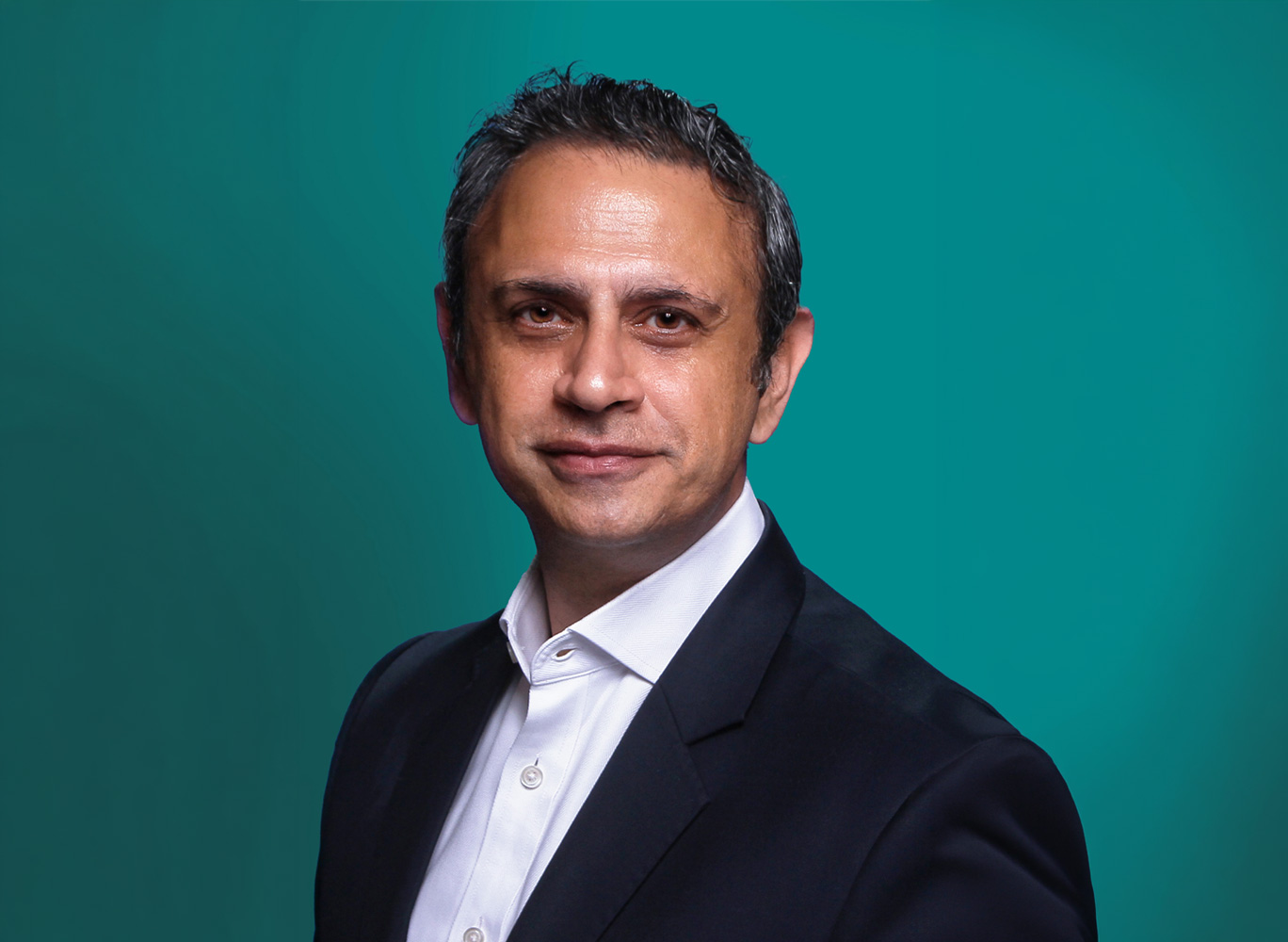
Anurag Jain, Executive Vice President for APMEA at RateGain, points out that AI allows operators to interpret real-time market signals and adjust strategies long before changes physically manifest: "In markets highly dependent on external factors such as air connectivity or geopolitical stability, recovery does not follow a linear path but unfolds in phases, often with rapid shifts in demand. In this context, true competitive advantage lies not only in reacting with agility, but in anticipating market movements before they materialise. Artificial intelligence is transforming this ability to anticipate, enabling hoteliers to analyse demand signals in real time."
Deferred travel plans, combined with renewed trade alignment post-ATM, are likely to result in a surge of what is effectively pent-up demand
- Hemant Mediratta
This capacity to look beyond immediate operational friction is echoed by luxury distribution and trade show experts. Hemant Mediratta, Founder and CEO of One Rep Global, views shifting B2B event timelines less as marketplace disruptions and more as a healthy redistribution of commercial momentum.
“Historically, the timing of a trade show like Arabian Travel Market was intrinsically linked to its effectiveness, positioned as a catalyst to drive forward bookings and align with seasonal demand curves. That thinking, however, belongs to a more linear era of travel trade. Today, the ecosystem is far more dynamic.
“What we anticipate in Q4 is not just a recovery, but an acceleration. Deferred travel plans, combined with renewed trade alignment post-ATM, are likely to result in a surge of what is effectively pent-up demand. This ‘revenge travel’ behaviour, where consumers and corporates compensate for lost time, could drive stronger-than-usual booking volumes and revenue performance,” says Mediratta.
Navigating these complex operational landscapes requires a cohesive industry response based on shared intelligence. At the 2026 Virtuoso Symposium in Seoul, which gathered 360 top-tier luxury travel executives at the Conrad Seoul, the conversation focused heavily on the intersection of technological automation and the irreplaceable value of human connection.
The goal is to navigate the future together with transparency, adaptability and a shared commitment to creating meaningful human experiences
- Matthew D. Upchurch
With long-term capital deployment remaining highly aggressive, backed by WTTC data projecting $12.5 trillion in global tourism investment across major economies by 2035, Virtuoso Chairman and CEO Matthew D. Upchurch reminded the luxury network that unified execution remains the sector's greatest competitive advantage.
"We don’t move ahead individually – we move ahead together. Our collective intelligence has always been our greatest advantage. What’s changing is how quickly and precisely we can act on it. As we look ahead, the goal isn’t to predict the future perfectly. It’s to navigate it together with transparency, adaptability and a shared commitment to creating meaningful human experiences."
The global travel trade is no longer waiting for external market conditions to stabilise. By deploying predictive AI tools, implementing flexible extended-stay real estate models, and reinforcing clear, supportive business contracts, the global travel and tourism landscape is actively designing its own resilience. The collective consensus of the industry's leadership is clear: the underlying fundamentals of global travel are unshakeable, and the sector remains firmly positioned to capture the major travel acceleration projected for the final quarters of 2026.