
Cruise Saudi, the driving force behind the kingdom's emergence as a major global cruise hub, is prioritising a technology-first approach to sustainability while aggressively expanding its regional destination portfolio.
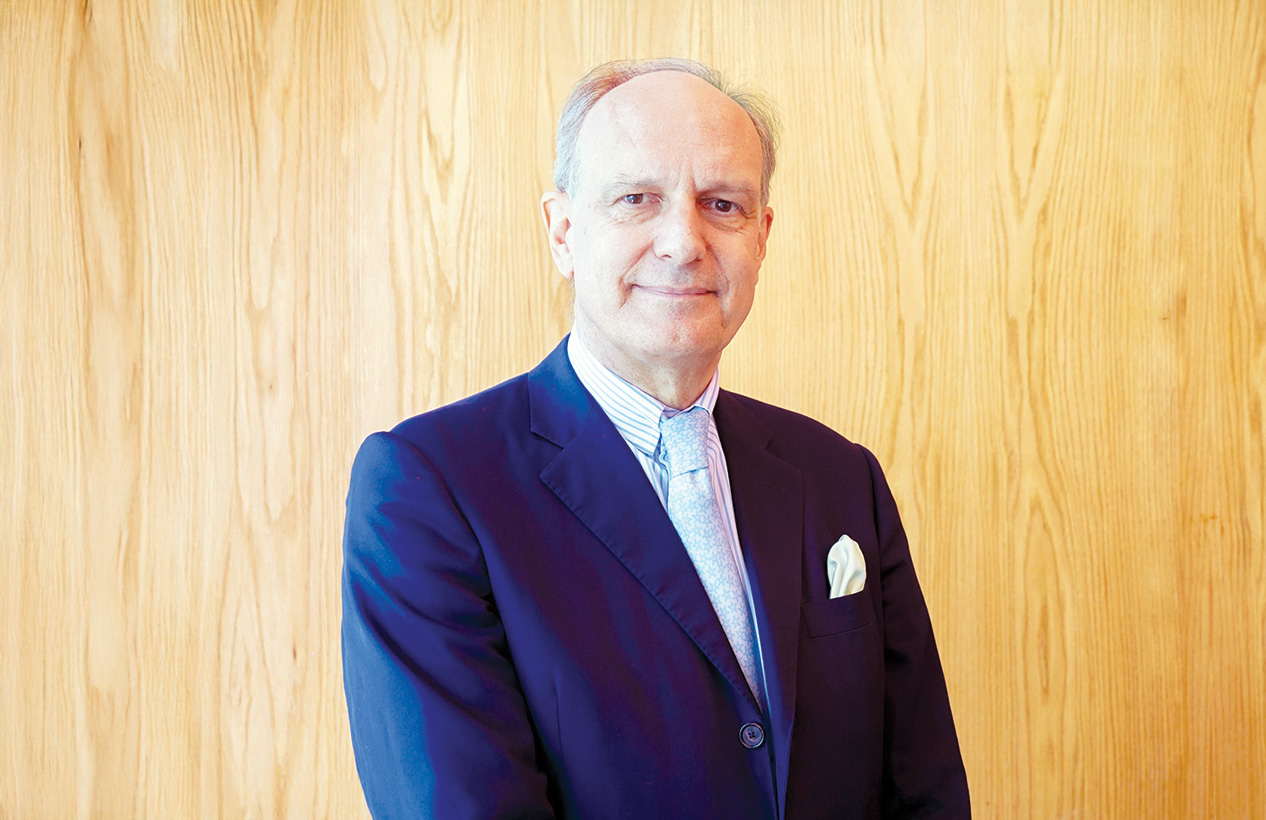
In a recent interview, CEO Lars Clasen outlined a strategy that focuses on green fuel technology over port-side infrastructure and leverages successful Eastern Mediterranean deployments to build the core Arabian cruise market.
The move comes as the region's travel trade is increasingly focused on developing sustainable and unique offerings for both domestic and international guests.
Addressing the crucial issue of sustainable cruising, Clasen revealed that Saudi ports are not yet equipped for onshore power for large vessels, citing the massive infrastructure required.
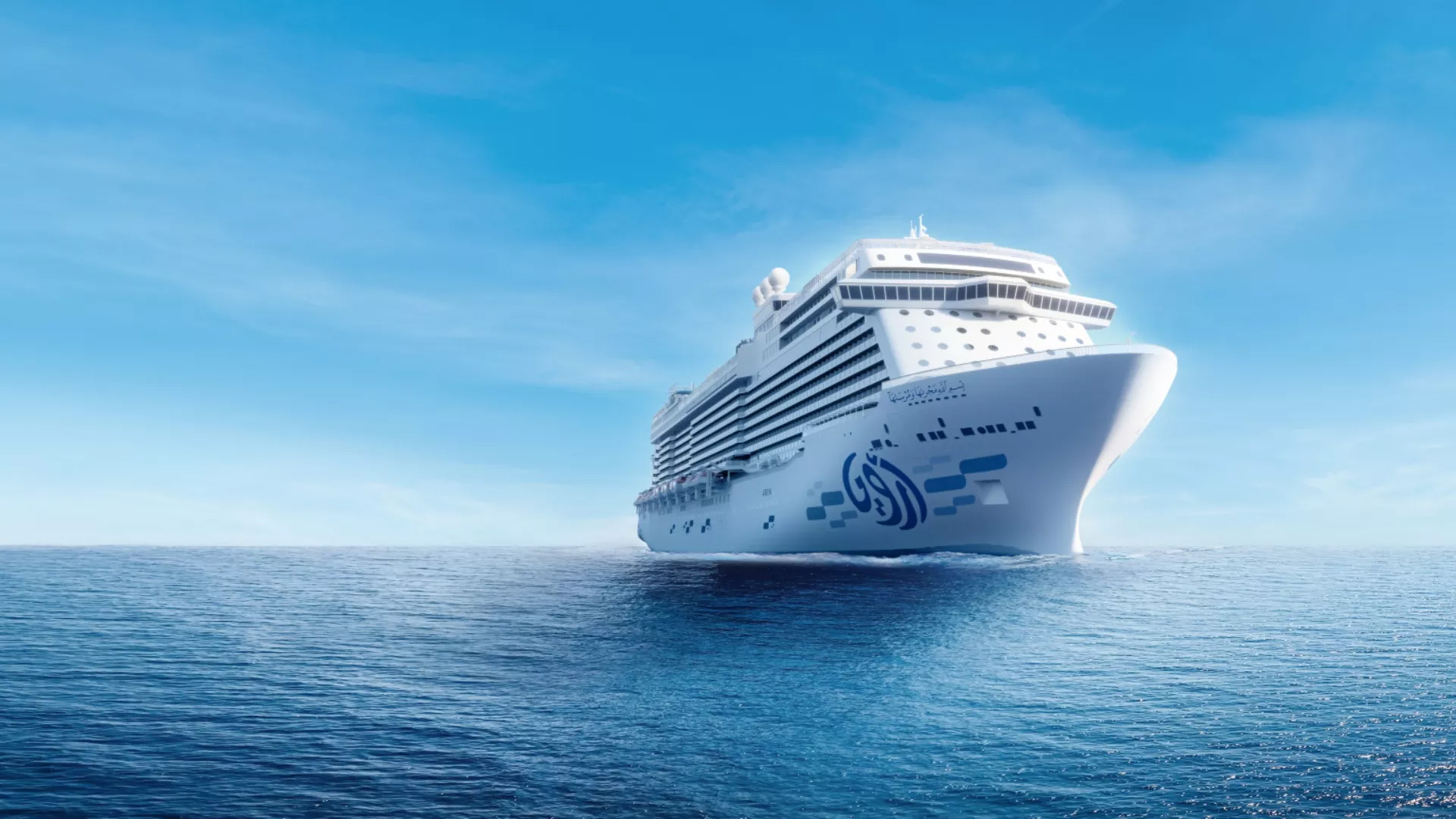
Instead of waiting for the grid to catch up, Cruise Saudi is placing its largest bet on green propulsion. The new vessel for their flagship cruise line, AROYA Cruises, is expected for delivery in the first half of 2027 and will be equipped with a dual-fuel engine capable of running on green methanol.
This choice, Clasen stressed, is a high-impact solution: "When the ship is using green methanol—and she will be one of the first ships in the world to be able to use green methanol—she will be reducing the CO2 footprint by more than 90%." He views this investment as having a "larger impact than providing shore power."
Cruise Saudi's strategy is not just about technology; it's about destination development. The CEO confirmed a significant new offering for the trade: the Saba Beach private island. Located 20 miles south of Jeddah, this exclusive destination will offer a beach experience "exclusive for cruise guests."
While the island has been soft-launched, it will be "fully completed in the course of Spring 2026, and then will be launched in Summer 2026." This new port of call is set to become a major attraction for the "cruise agnostic" lines welcomed by Cruise Saudi.
Furthermore, the company is doubling down on its successful strategy of connecting the Arabian market with the Eastern Mediterranean. Clasen hailed the recent summer season, sailing "weekly itineraries out of Istanbul," as a "huge success."
He confirmed this model will continue, as the company builds up the Arabian cruise market, which "usually takes a few years." The plan is to focus deployments "relatively closely to the main source market, which is the Arabian Peninsula." This includes sustained sailings in the Red Sea, the Arabian Gulf, and out of the key Turkish homeport.
As a relatively new player, Cruise Saudi has leveraged its Diamond Executive membership in international associations to "build a great network in the industry," helping to make the Kingdom's ports "better known to the world."
Reflecting on his role, Clasen acknowledged the unique challenge of the venture. "It's just fascinating to create something really new, to create a market which hasn't been there at all," he said, noting the cultural environment is "something very special" compared to building up other cruise lines.
The ultimate goal remains filling the new, technologically advanced ships. In closing, the CEO affirmed that Cruise Saudi has "created a wonderful product," but that "it will take some time to grow the market so that this huge ship will be filled week after week." The message to the travel trade is clear: the foundation is strong, the technology is green, and the market is primed for growth.