
Directly connected to major cities around the world, tourists have long been drawn to the iconic skyline of Kuala Lumpur.
However, other parts of Malaysia, such as Sarawak on the island of Borneo, have traditionally received fewer international visitors. But this looks set to change.
To showcase all that the region provides in terms of wildlife, adventure and history and heritage, The Sarawak Tourism Board is running 92 tourism initiatives in 2026 alone. Direct flights from Sarawak to India and Korea are in the pipeline.
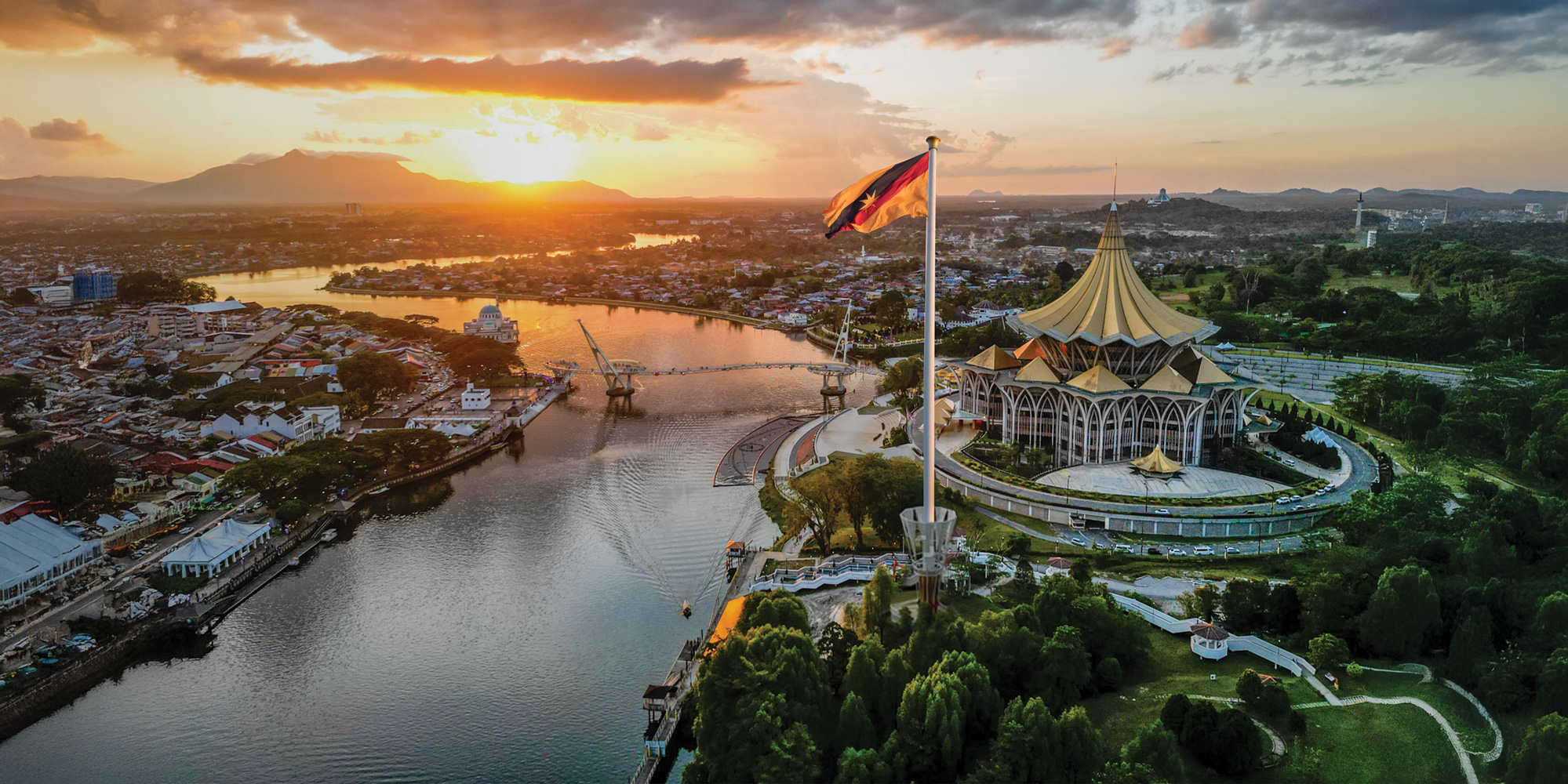
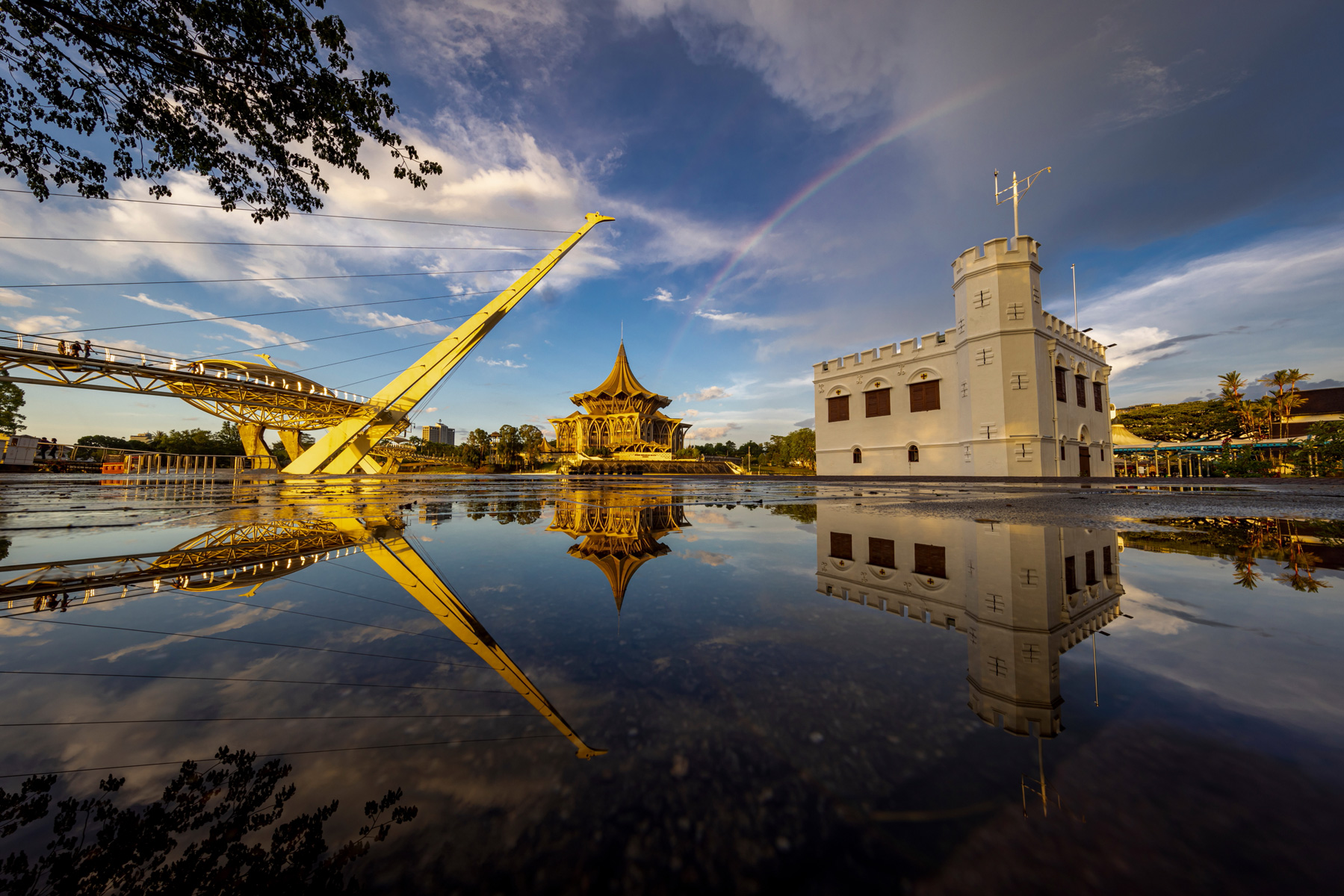
A destination for travellers who want to immerse themselves in local culture and get thoroughly off the beaten track, Kuching (a name derived from the Malay word for cat) is the perfect base. Shaped by traders from India and China, the British Brooke dynasty (reflected in the colonial buildings), Malay communities and various indigenous groups, the charming and colourful city is a melting pot of different cultures.
In the centre is a one-kilometre-long waterfront promenade along the Sarawak River.
Dotted with restaurants and historical buildings, it's a vibrant place for families, friends, couples and solo explorers to stretch their legs, take some photographs, watch the sunset and grab a bite. Traditional wooden boat rides across the river and evening light shows can also be enjoyed.
The rest of the Sarawak capital contains bustling food markets, Chinese temples and heritage-inspired attractions such as the Sarawak Cultural Village (freshly upgraded in June 2026), the Cat Museum, the Chinese History Museum and the Indian Mosque (otherwise known as the floating mosque).
For many travellers, seeing orangutans is top of their list of things they want to do in Borneo.
Conveniently, Kuching is located just a 30- to 40-minute drive from Semenggoh Wildlife Centre, where 28 semi-wild orangutans live across 653 hectares of rainforest. Tourists are welcome to visit twice a day during the morning and afternoon feeding times.
Foodies are bound to be in their element in Kuching as well. Declared a UNESCO Creative City of Gastronomy in 2021, its delicacies are derived from the state’s 34 ethnic communities, and the local cuisine is proudly unique to any other in Southeast Asia.
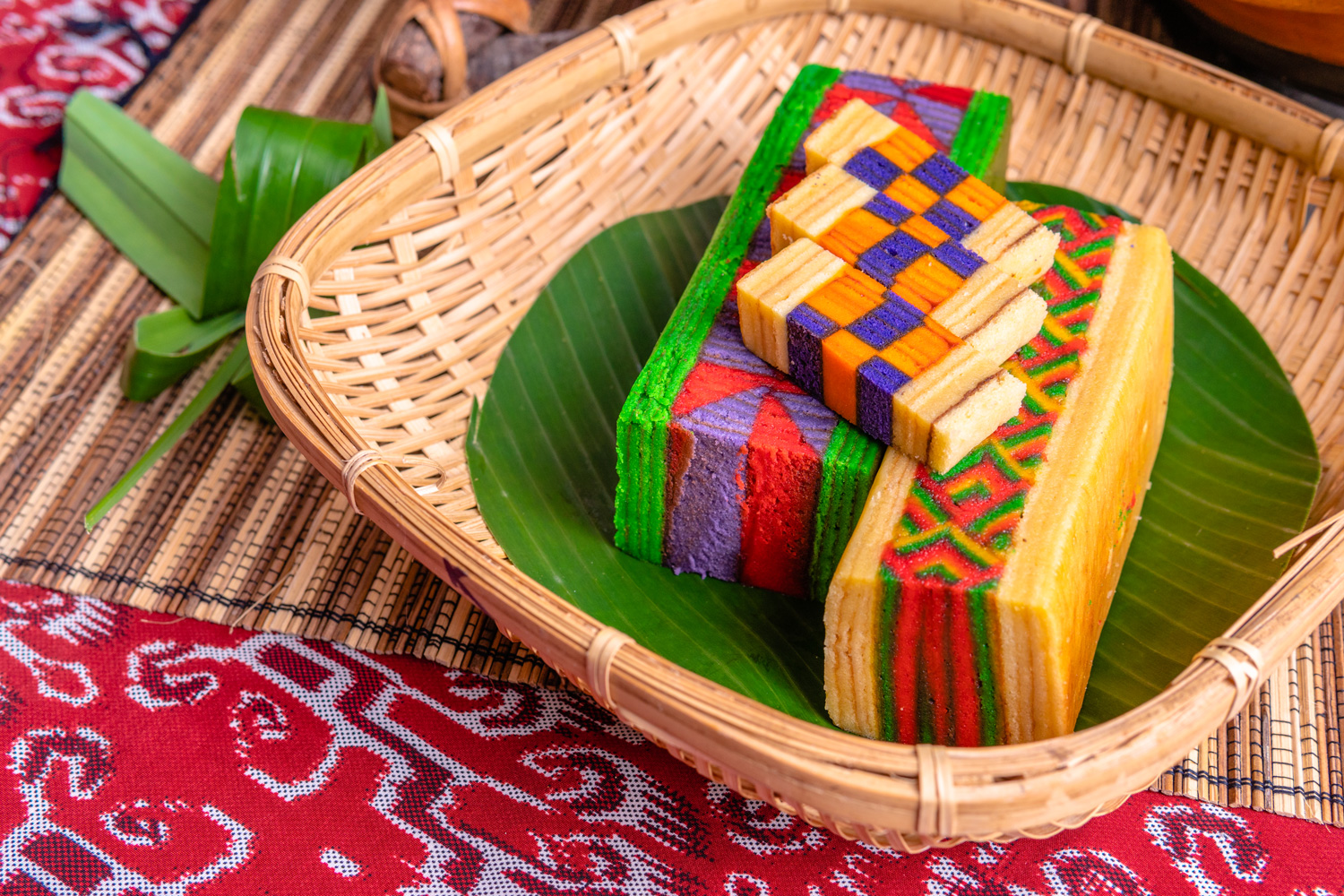
The must try dishes include ayam pansuh (chicken and herbs cooked over an open fire in hollowed-out bamboo tubes), umai (raw fish salad), Sarawak layer cake (painstakingly made from 20 or more individually baked layers) and laksa, widely considered to be Kuching’s signature dish and a specialty served everywhere from hawker stalls to the lavish buffet breakfasts of the city’s most upmarket hotels (including the Sheraton Kuching Hotel and Pullman Kuching).
Furthermore, the durian fruit is widely believed to originate from Borneo, with 19 different species found across the island.
Aside from its wildlife and cuisine, Sarawak is famous for its spectacular hiking routes.
Families and those of all abilities can experience relaxing strolls to trickling waterfalls and the protected limestone cave systems of The Fairy Cave Nature Reserve, so called due to its magnificent stalactites and stalagmites and ‘fairy tale’ ambiance.
Meanwhile, those up for a challenge and real workout are invited to take on multi-day expeditions up towering mountains, along old tribal routes and through national parks home to multiple species of monkey, Borneo’s legendary rhinoceros hornbill (the official state animal of Sarawak) and other rare creatures such as giant squirrels, mouse deer and, on certain treks, wild orangutans.
Fitness enthusiasts and eco-conscious individuals will also be intrigued by the rise in companies offering cycling tours and activities in Kuching.
Several large-scale bike riding events are hosted here (including The Sarawak Adventure Challenge that draws international athletes every year), while tour companies such as Paradesa Borneo (in operation since 2013) organise everything from easy sunset rides through nearby villages and markets, to 10-to-14-day expeditions for experienced cyclists.
Letting visitors see the ‘real’ Sarawak, the fact that most of the state is still untouched and undeveloped adds to the sense of adventure and excitement in each activity.
* Story continues online on www.ttnworldwide.com