
Every journey is a chance to explore the history of peoples and the wonders of art and nature. Germany is one of the leading European destinations in this field, with 55 sites inscribed on the UNESCO World Heritage List, making it an unmissable destination for lovers of culture and history. Below are five of the most beautiful of these sites, each offering a unique window onto the scent of the past and the grandeur of the present.
“Summer is one of the most enjoyable times to experience Germany, offering a welcome escape from the Gulf heat with mild temperatures, longer daylight hours and a lively outdoor atmosphere,” Yamina Sofo, Director of the Marketing and Sales Office at GNTO GCC, tells TTN readers. “It’s the ideal season to explore UNESCO sites, stroll through vibrant cities, and enjoy lakes, rivers and green landscapes - while experiencing Germany at its most relaxed, diverse and welcoming.”
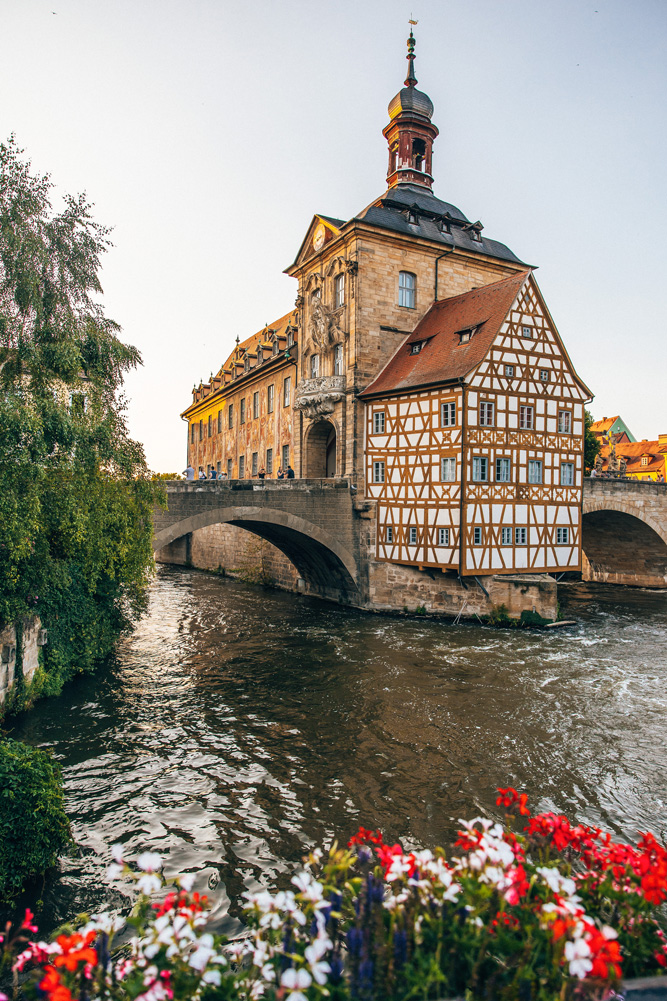
Bamberg Old Town
In the heart of Bavaria, Bamberg’s Old Town shines as one of the finest UNESCO sites, still preserving its medieval urban layout and architecture that blends the character of that era with Baroque style. The town stretches across seven hills, each crowned with a church, and its town hall, standing in the middle of the Regnitz River, is an unforgettable icon.
Bamberg boasts more than 1,300 historic buildings and an imposing imperial cathedral, as well as the Gardeners’ District, which reflects the town’s deep connection to the land. This historic area was once home to families who cultivated vegetables and fruit within the town limits. It is a charming place that brings together heritage and identity, offering a unique experience for lovers of history and culture.
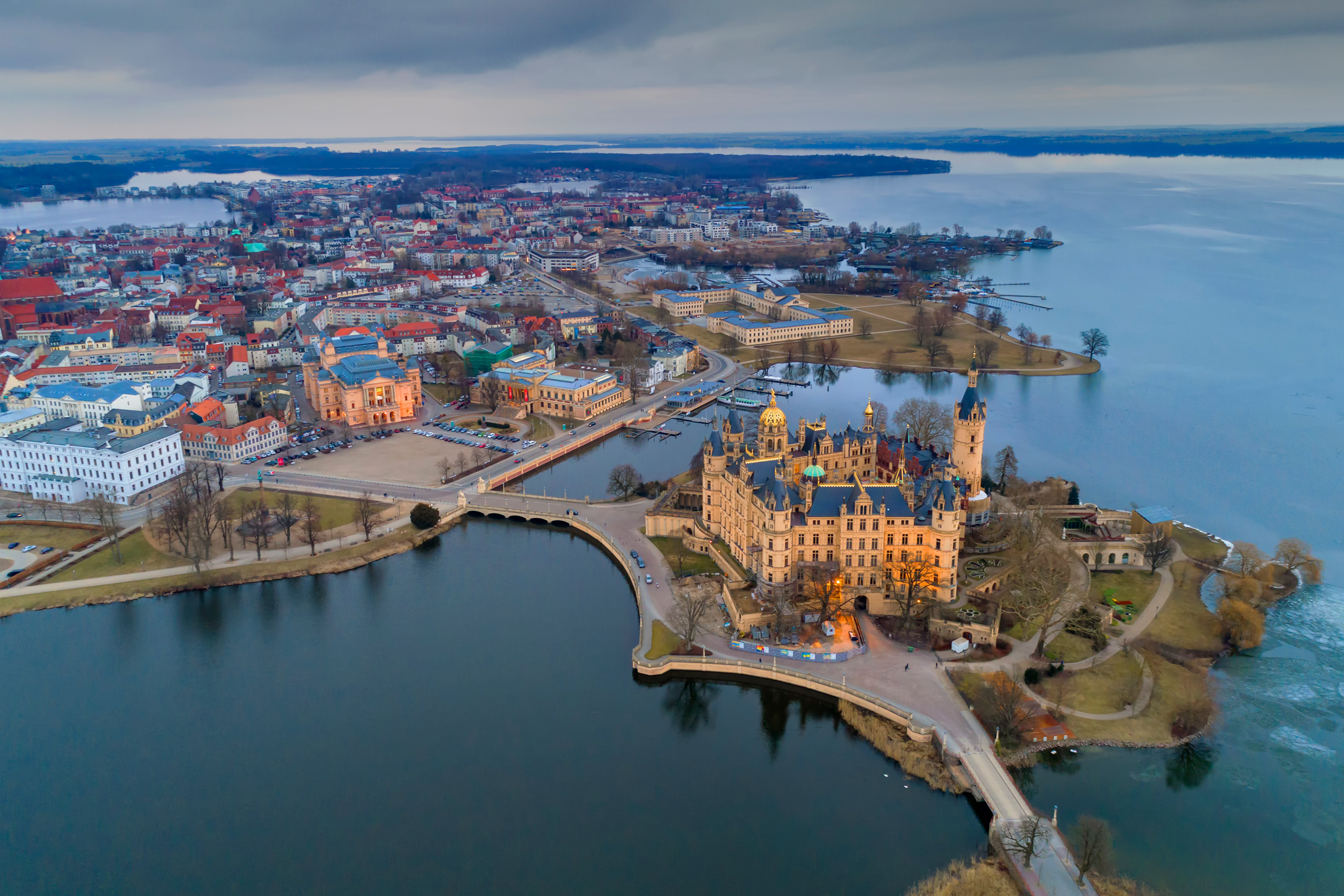
Schwerin Complex
On a picturesque island in the heart of Lake Schwerin in northern Germany, the Schwerin complex rises as a dazzling 19th-century architectural masterpiece. The complex was inscribed on the UNESCO list in 2024 as a rare example of historic Romanticism that blends French influences with the old European style and the Renaissance. It includes three historic lodges, a museum, a theatre, and a cathedral, surrounded by expansive gardens and calm canals.
In this way, the Schwerin complex is a legendary place steeped in royal memory and redefining beauty and majesty, and it is an essential destination for lovers of history and art. Although it retains its splendour throughout the year, we recommend visiting in spring to enjoy the lake breeze, walk along the historic pathways, and capture unforgettable photos.
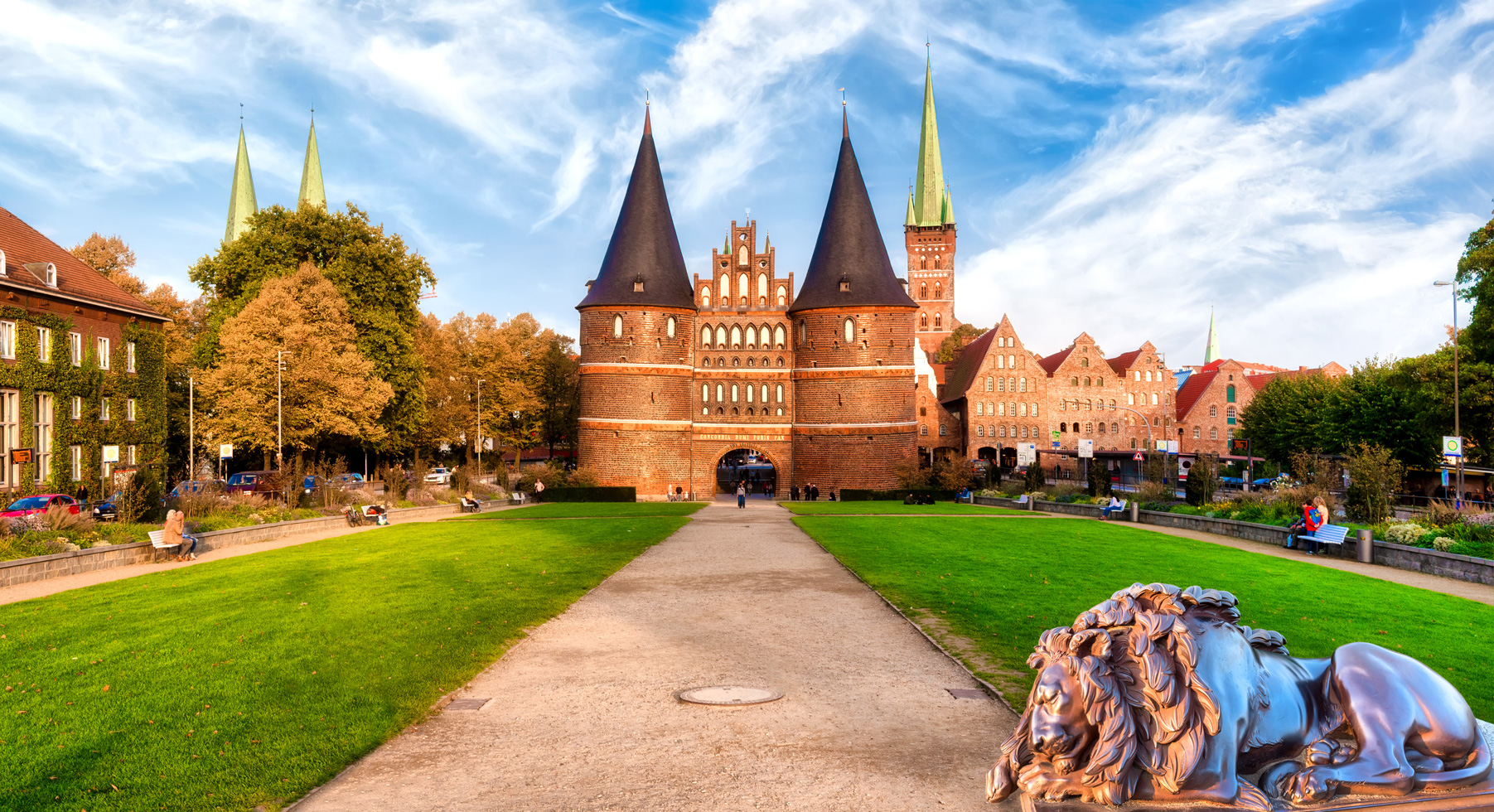
Lübeck
In Lübeck, the city once dubbed the “Queen of the Hanseatic League,” the heart of history beats on a small island that holds one of the most beautiful old town centres in northern Europe. The town is distinguished by its medieval layout and its brick Gothic architecture, which is evident in the soaring churches that earned it the title “City of Seven Spires.”
The Holsten Gate stands out as a symbol of trade and prosperity, while today the narrow alleyways have turned into charming passageways bearing witness to the changes the town has undergone through the centuries. As for flavour lovers, they will not be able to resist the taste of Lübeck, the world capital of marzipan.
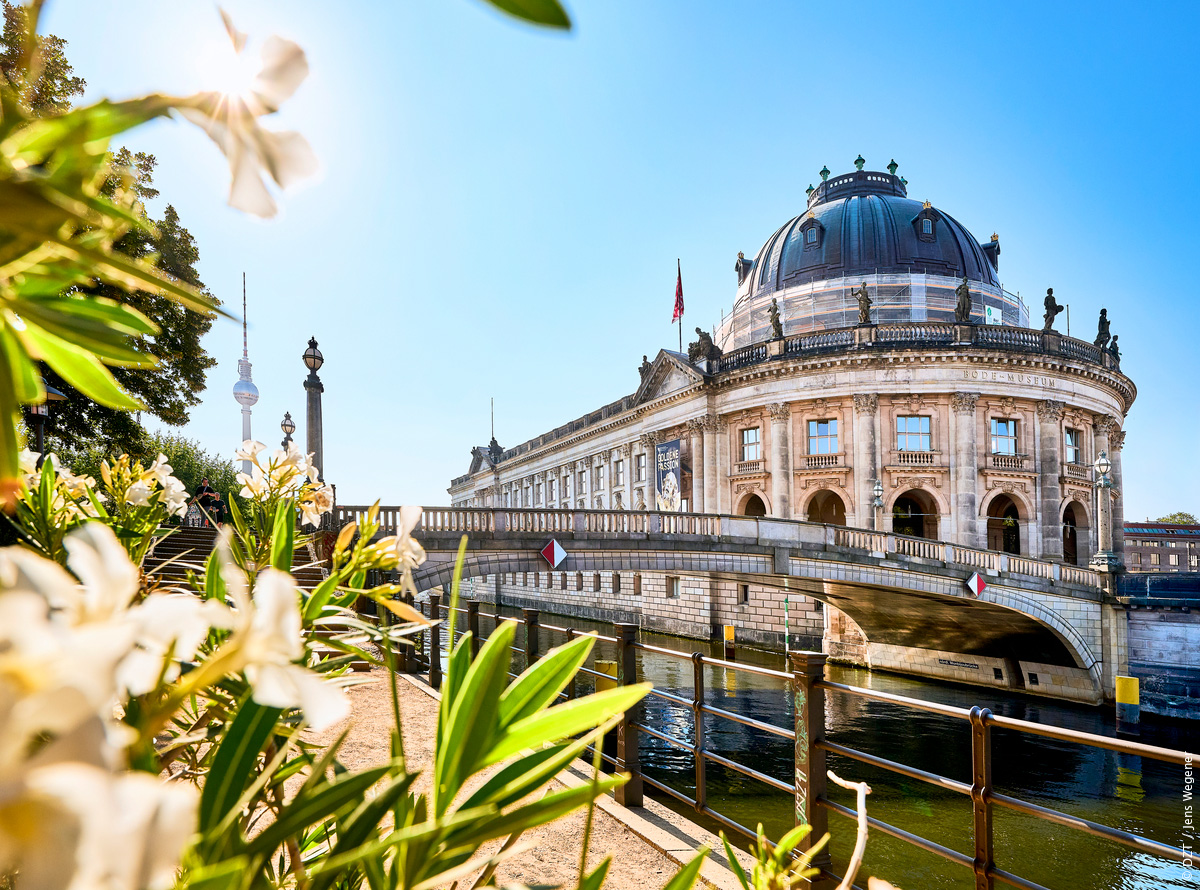
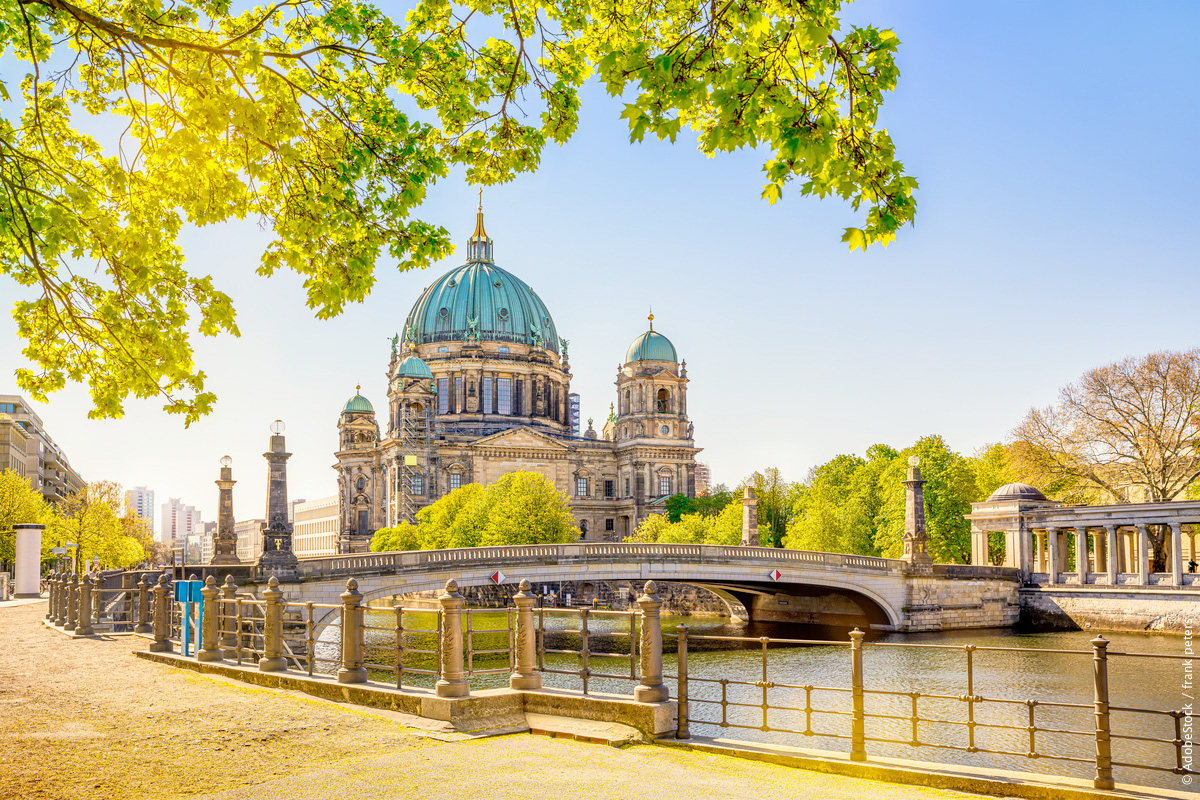
Museum Island, Berlin
Museum Island lies in the heart of Berlin on the banks of the River Spree and is home to five major museums considered among the world’s most important cultural and artistic landmarks, earning it a place on the UNESCO World Heritage List. The site brings together antiquities from ancient eras and masterpieces of modern art, preserving humanity’s memory through thousands of artworks.
The island is an essential destination for any visitor seeking to explore culture and art, offering the chance to move between museums and discover halls adorned with rare artefacts and paintings, making a visit there a rich experience that combines learning and enjoyment.
Bayreuth
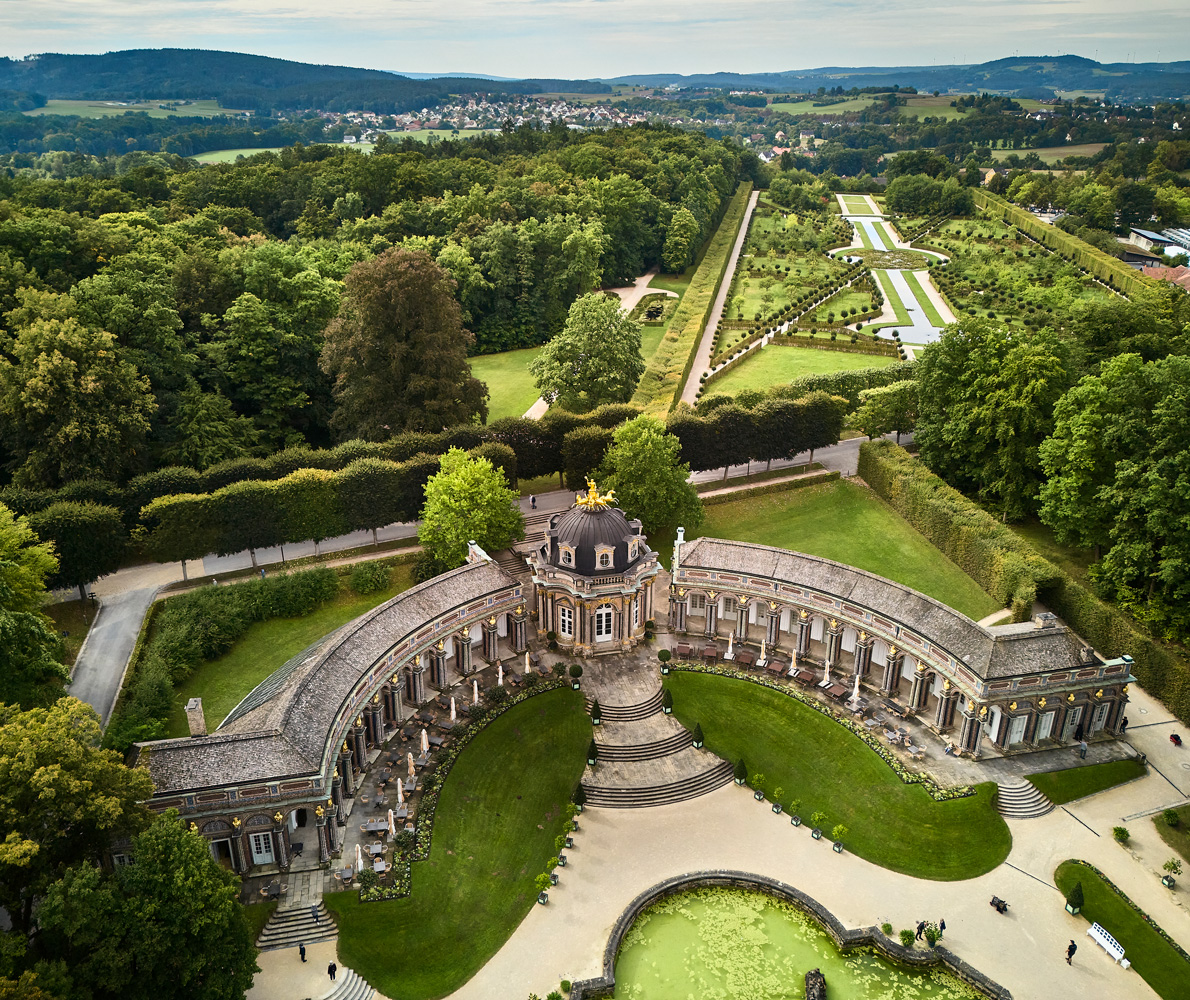
In the heart of Bayreuth, the Margravial Opera House shines like a rare Baroque gem that has withstood the passage of time, remaining one of the most beautiful historic theatres in Europe. Built between 1744 and 1748 at the behest of Margravine Wilhelmine, its interior, made entirely of wood and fabric, is distinguished by colourful decorations and an original acoustic that transports visitors back to the atmosphere of the 18th century.
UNESCO inscribed it in 2012 in recognition of its exceptional architectural character. To this day, it continues to host opera performances and concerts, alongside an information centre and museum that complete the visitor’s cultural experience.
For more inspiration and to discover Germany’s most iconic sites and hidden gems, visit:
https://www.germany.travel/en/cities-culture/overview.html